
21 July 2026
Preparing for your first time in Tanzania? From navigating the iconic parks to knowing exactly what to pack and expect each day, this guide delivers clear, local expert advice on routes, timing, and budgets to help you experience Africa’s big wilderness with total confidence.


21 July 2026
Let’s be honest: preparing your first safari in Tanzania can quickly lead to information overload. Between conflicting advice on technical gear and endless browser tabs comparing lodges, the excitement often gets lost in logistics.
We get it. The internet makes safaris look complicated, but here is the secret: once you have the right keys, it is simple.
Our ground team lives and breathes the Tanzanian wilderness. Let’s clear the air, bust a few myths, and get you ready for your adventure smoothly, elegantly, and stress-free.
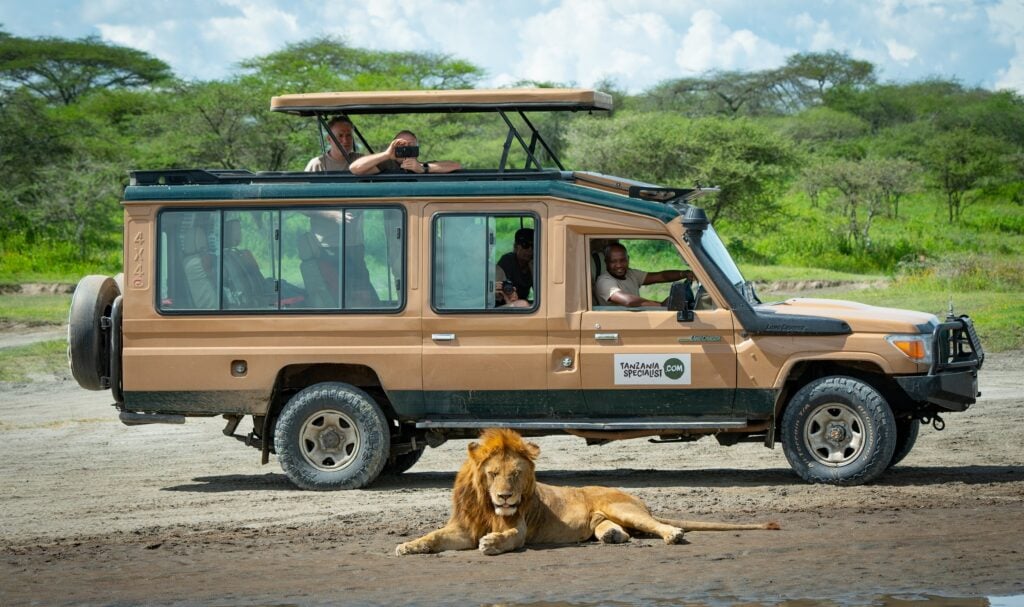

The best route for a first-time safari in Tanzania is the Northern Circuit, which connects the country’s most iconic and wildlife-dense national parks. Rushing through the whole country means spending more time on asphalt than watching lions.
To keep your choices simple and highly rewarding, our local team recommends two classic formats:
The golden rule for safari clothing is to pack versatile, neutral-colored layers. You do not need a brand-new explorer wardrobe to look like Indiana Jones; you likely already have everything you need in your closet. Temperatures in the savannah shift dramatically between dawn and noon, making smart packing essential.
Early mornings in the bush can be surprisingly crisp. On the rim of the Ngorongoro Crater, temperatures can drop to a chilly 5 degrees Celsius. By midday, the sun takes over, reaching a warm 28 degrees Celsius.
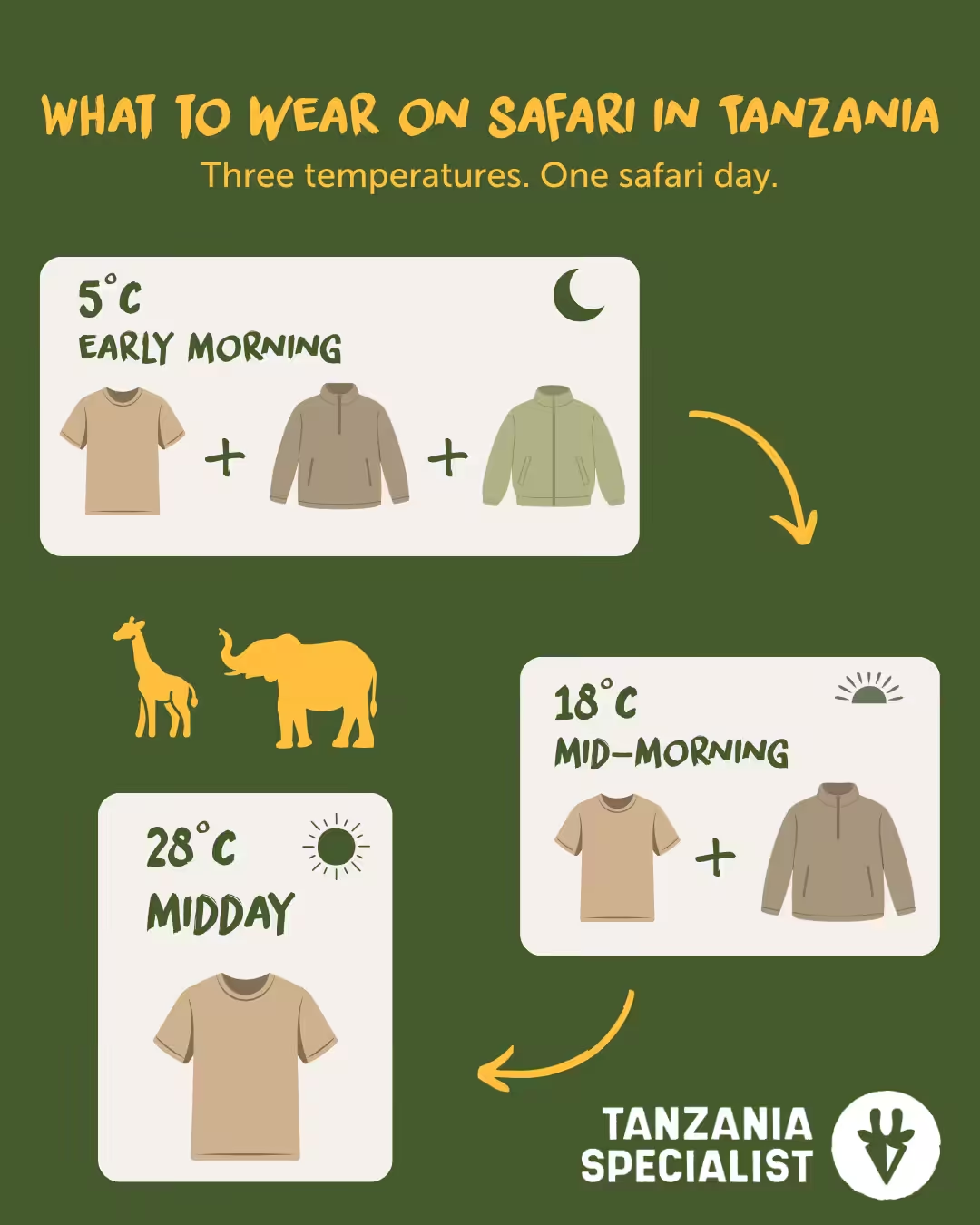
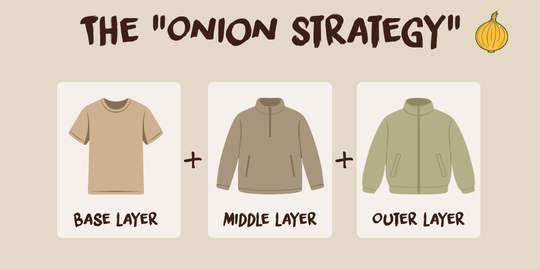
Simply layer your clothes. Start with a light t-shirt, add a warm fleece, and top it with a windbreaker. You can easily peel them off as the day warms up.
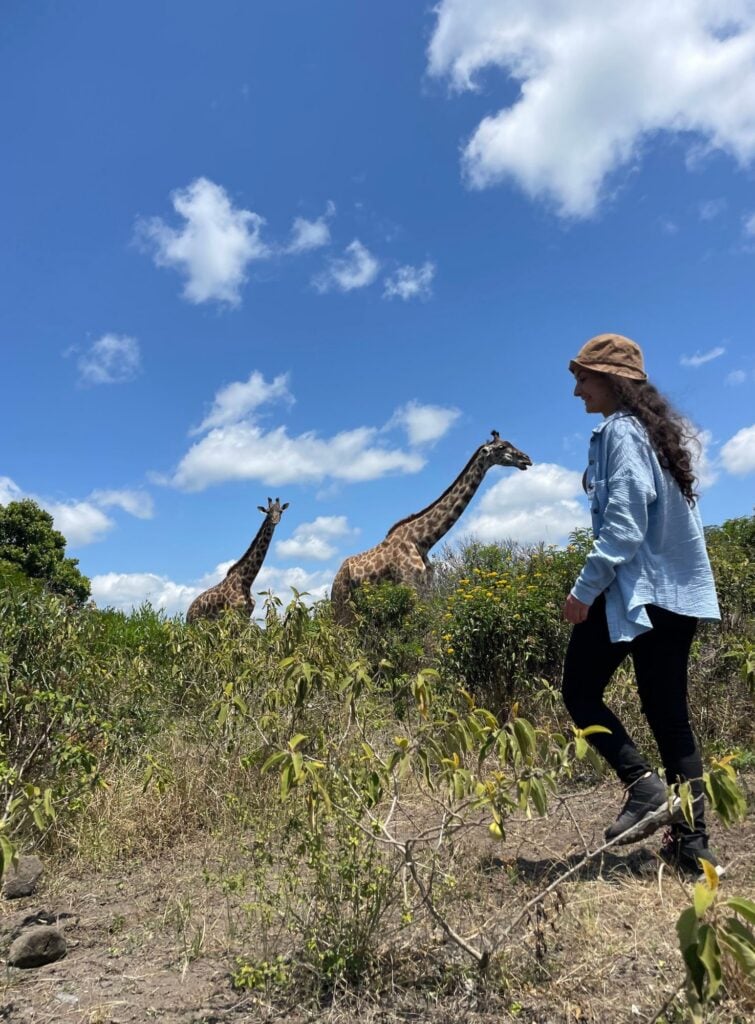
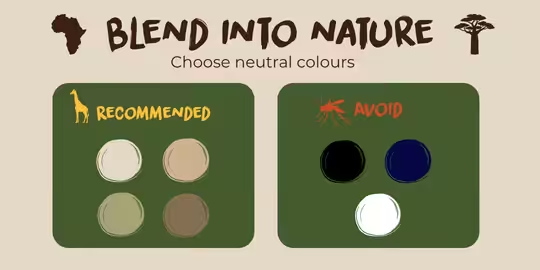
Stick to lightweight clothes in beige, khaki, olive green, and soft brown. Avoid dark blue and black because they actively attract tsetse flies in certain areas, and skip bright white as the beautiful orange dust of the tracks will claim it permanently.
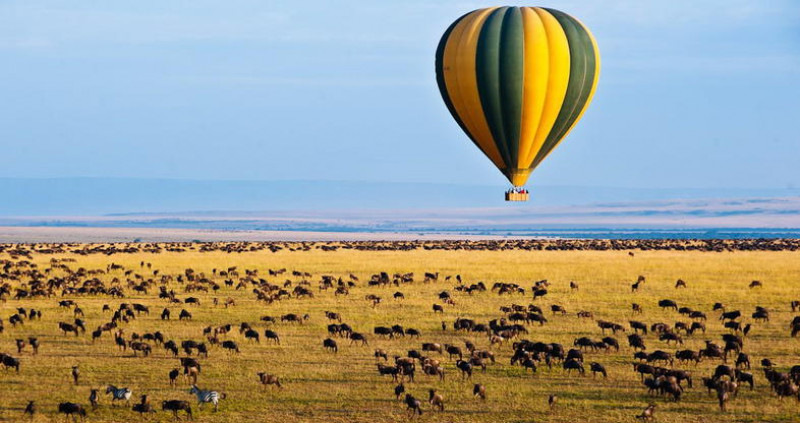
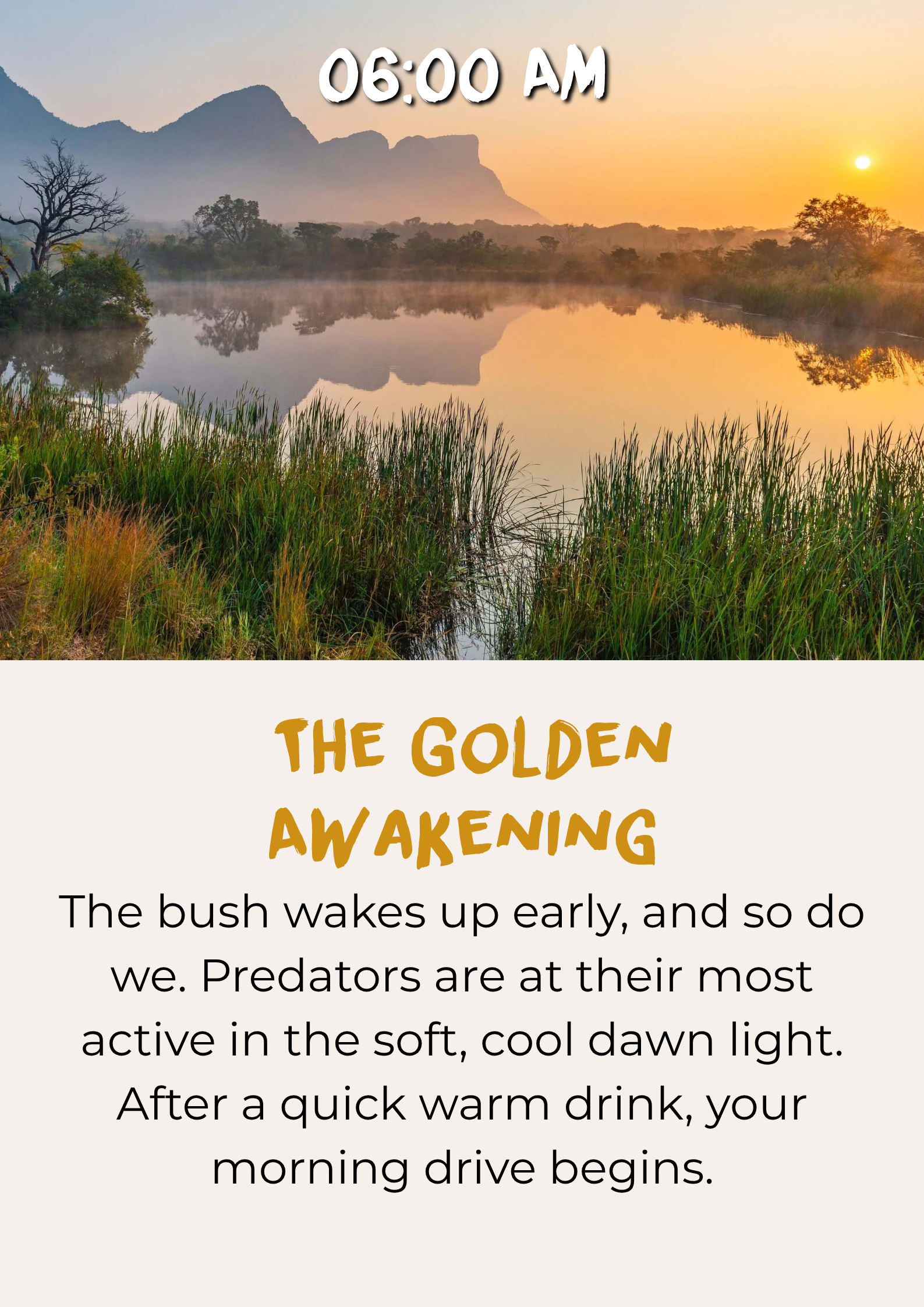
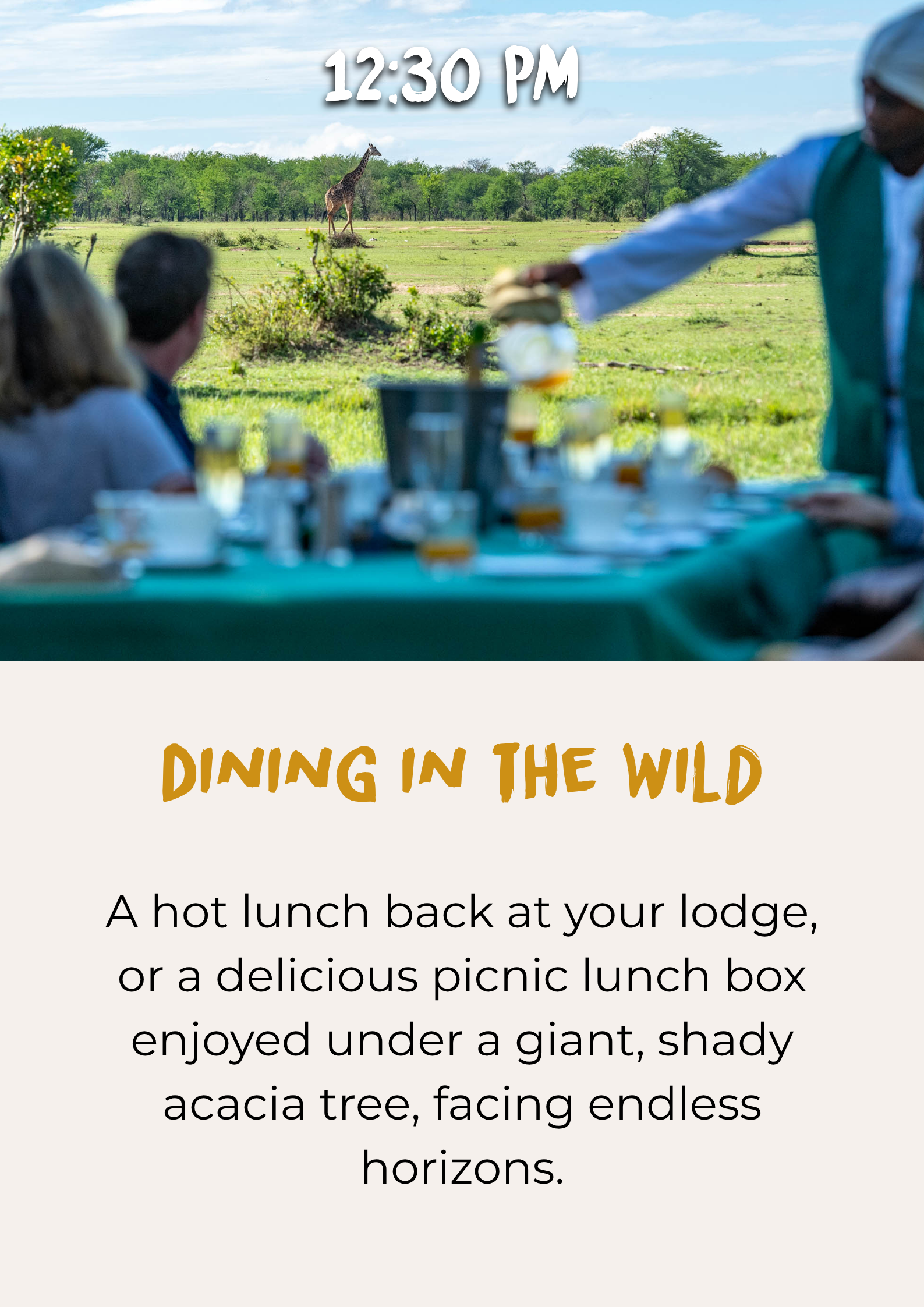
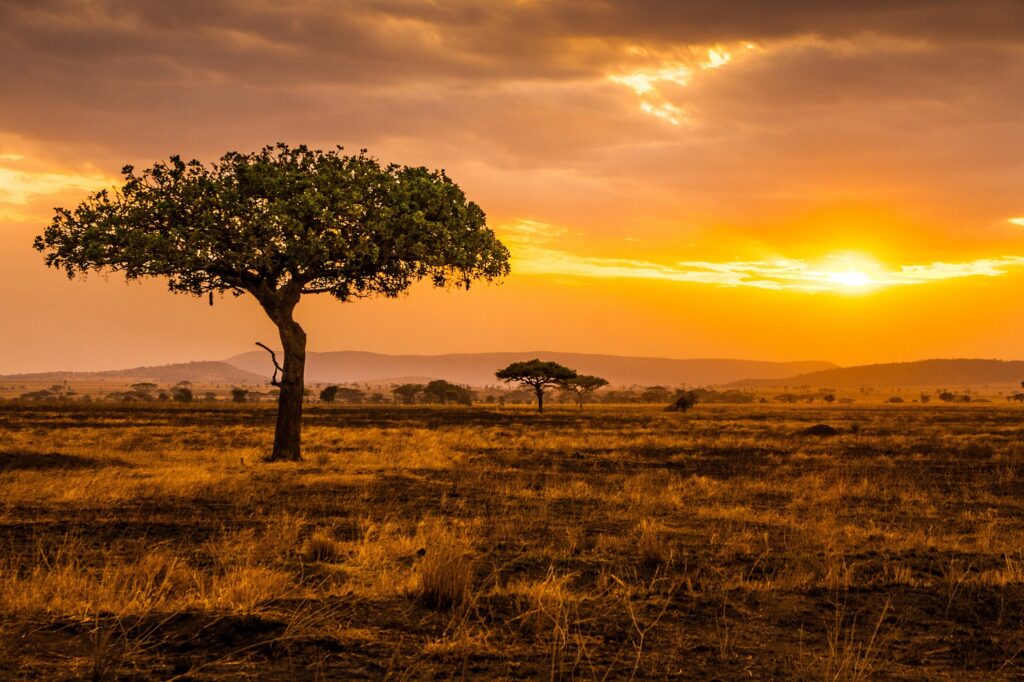
A typical safari day follows a well-established, addictive rhythm that pairs early morning and late afternoon game drives with a long, relaxing midday break. You will not be staring at empty grass for hours; the landscape changes constantly, and the day flies by.

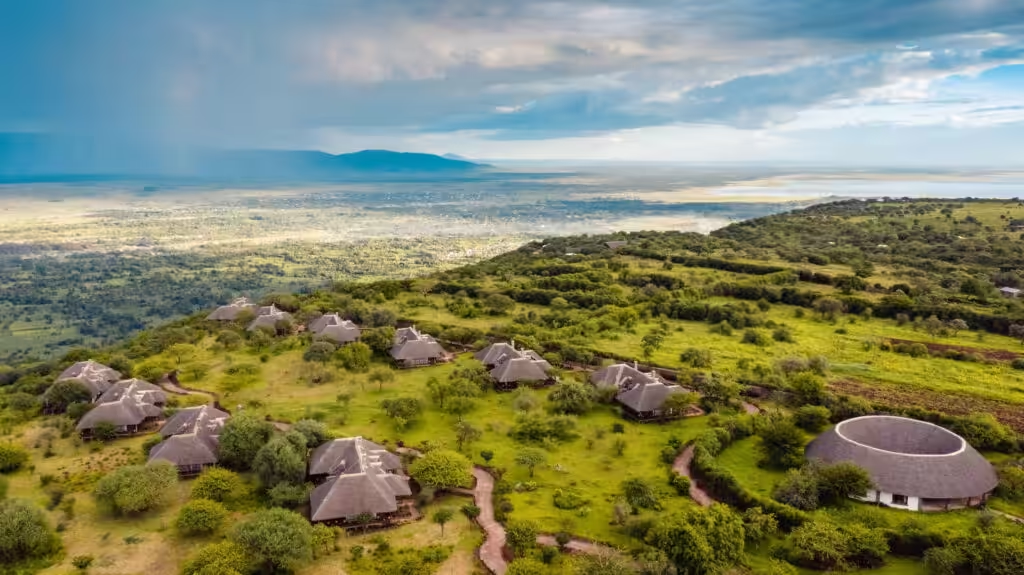
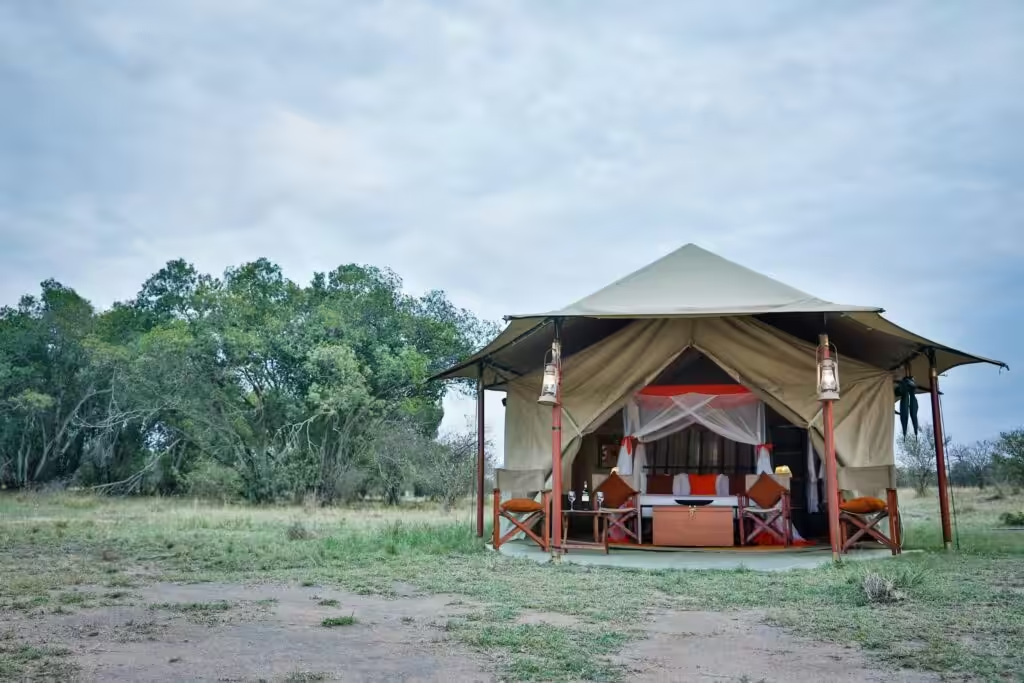
Traveling to the heart of the wild does not mean compromising on comfort. Accommodation options in Tanzania range from luxury solid-structure lodges to permanent tented camps, both offering high-end amenities, private plumbing, and absolute safety.
Elegant boutique hotels built with local stone and wood. They offer the familiar luxury of a premium resort, often featuring swimming pools overlooking local watering holes.
This is the epitome of luxury canvas. Think real king-sized beds, fine linens, wooden floors, private flushing toilets, and hot running showers. It’s an immersive experience, allowing you to fall asleep to the distant, peaceful sounds of nature while tucked safely in total luxury.
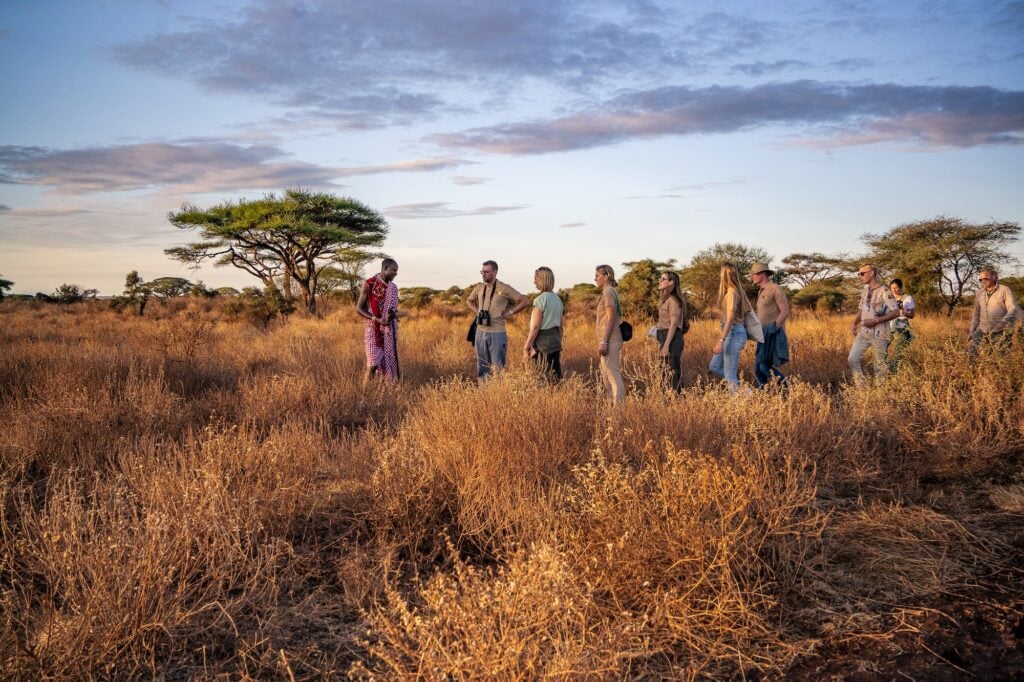
The camps are entirely secure, patrolled 24 hours a day by local Maasai rangers who accompany you to your tent after dark.
True luxury means not having to worry about the practicalities of modern life while deep in the bush.
All custom safari four-by-four vehicles are equipped with built-in power sockets and USB ports, allowing you to charge your camera and phone seamlessly while on the move.
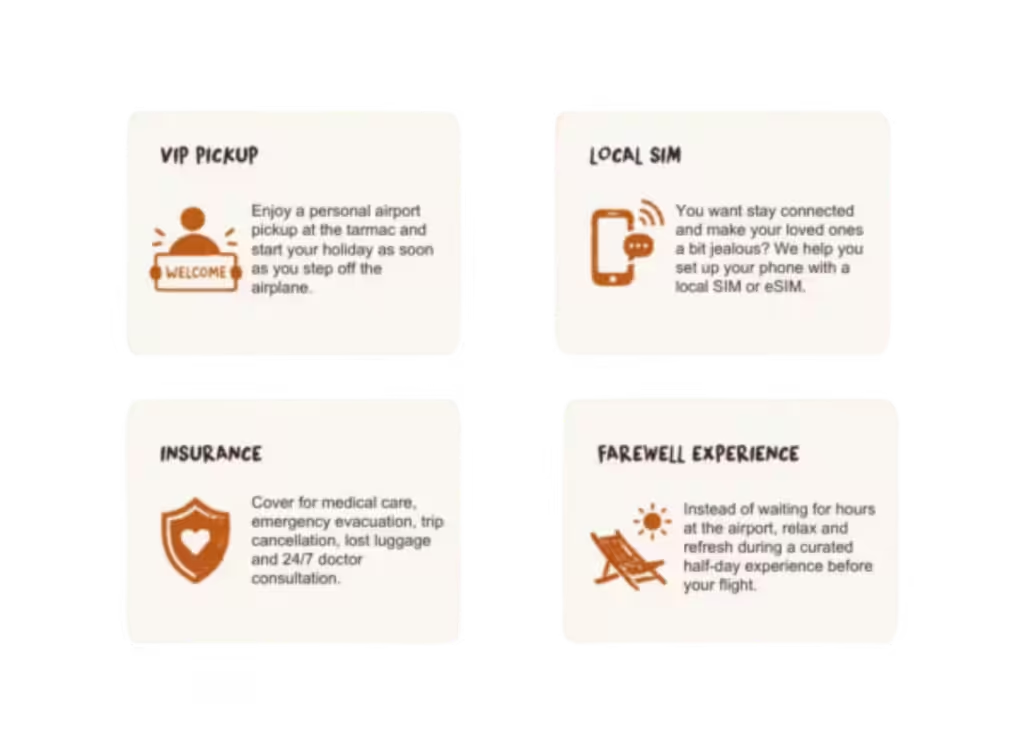
When it comes to staying connected, most lodges offer Wi-Fi in their main lounge areas, perfect for sharing your best photos at the end of the day. The speed matches the slow, peaceful rhythm of the savannah—serving as an excellent excuse to unplug. If you absolutely need data on the road, a local eSIM can be quickly set up at the airport upon arrival.
One of the most frequent questions we hear is about the budget. The reality is that a safari is inherently an exclusive, logistically complex experience.
The entry requirements for Tanzania include a passport valid for 6 months and a tourist visa, which is best secured online before departure to avoid airport delays.
Do not waste your first hour in Africa standing in a long payment queue at Kilimanjaro airport. Apply for your Tanzania E-Visa online a few weeks before your trip to breeze through arrivals.
Consult your travel clinic early regarding malaria prophylaxis and routine boosters. A Yellow Fever certificate is only legally required if you enter Tanzania from an endemic country or have a long airport layover there.
English is widely spoken across Tanzania, but a few Swahili words go a very long way in opening hearts. Jambo (Hello) and Asante sana (Thank you very much) will always be met with giant smiles.
Tipping your guide and lodge staff is a proud local tradition and a vital part of safari culture. Plan around 10 to 15 USD per day for your guide. Important detail: If you bring US dollars, ensure the bills are crisp, clean, and printed after the year 2006, as older notes are rejected locally.
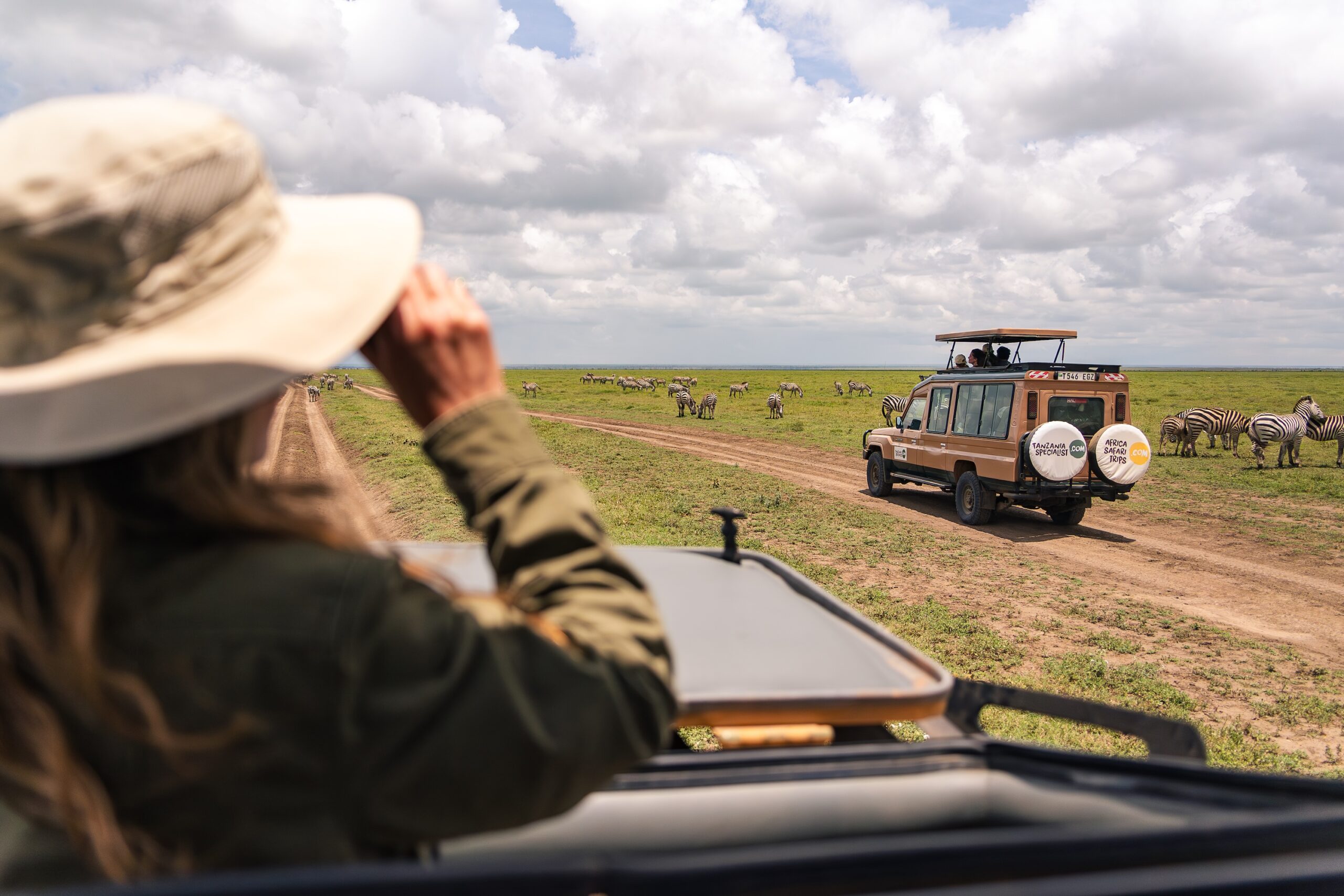
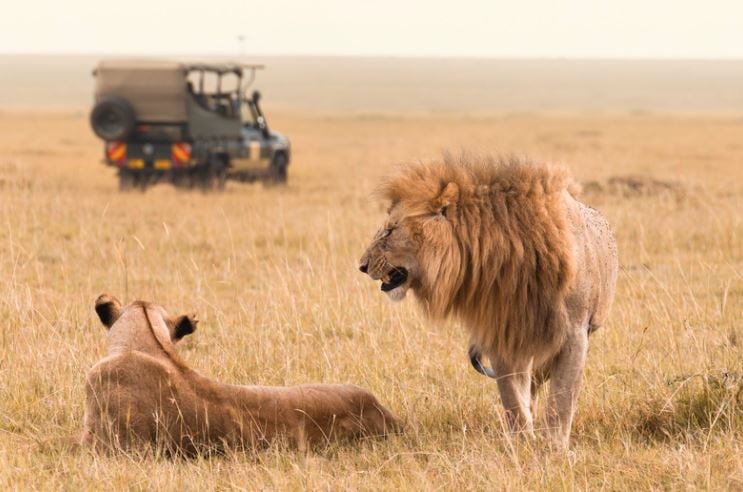
While moving between Tanzania’s vast national parks involves traveling across unpaved roads, you will ride in private, heavy-duty four-by-four vehicles designed specifically for comfort and panoramic viewing.
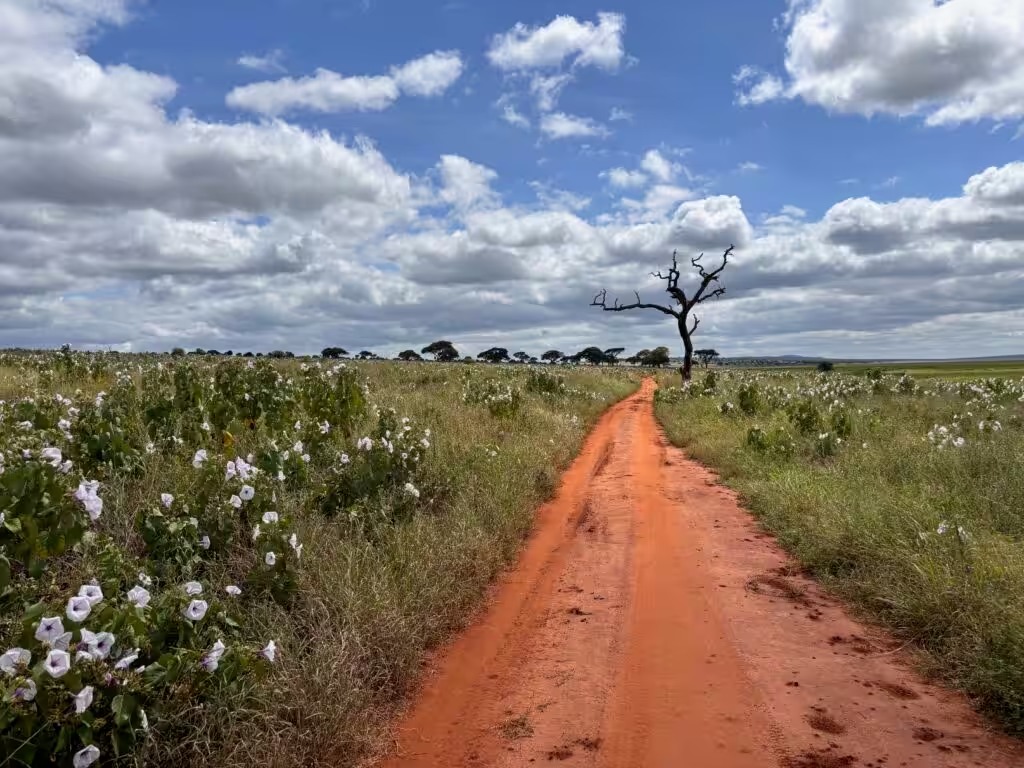
Yes, the tracks can be bumpy—a lively experience locals affectionately call the “African massage.” But you will never be crowded. Your vehicle features guaranteed window seats, a fridge stocked with cold water, and a pop-up roof for 360-degree viewing. The drive itself is part of the story, crossing vibrant Maasai villages and watching the landscapes shift right outside your window.
Our headquarters are right here on the ground in Tanzania. We do not just sell the destination; we live it every single day.
No crowded tour buses. You get your own private four-by-four vehicle, your own dedicated expert guide, and an itinerary crafted exclusively around your rhythm.
Booking directly with us means no middlemen, better communication, fairer pricing, and immediate, direct support whenever you need it.

Always wondered why Pumbaa from The Lion King was so happy? Because of Hakuna Matata—a worry-free life. That is exactly what we want you to experience.
We know that long-distance travel can sometimes bring unexpected surprises. That is why our exclusive Hakuna Matata Package is built to guarantee a completely zero-stress holiday. If a flight you booked through us is delayed or cancelled, or if you encounter any unexpected car trouble during your safari, our local ground team takes care of everything instantly—entirely free of charge. From fair and flexible cancellation policies before you leave, to 24/7 support on the ground, we handle the disruptions so you can focus strictly on the wonder.

You can spend another forty hours reading forums, or you can let people who actually live here handle the heavy lifting. The moment you step into your safari vehicle and your guide turns the key, the spreadsheets disappear. The logistics blur into the background, replaced by the silence of the savannah and the silhouette of an elephant against the sunrise.
Let us handle the details. Reach out to our team on the ground, tell us what you are visualizing, and let’s begin designing your first Tanzanian story.
Receive a free, no obligation quote
Start planning your dream trip

Our specialists are here to assist you
USA: +1 518 634 1139 UK: +44 20 3808 4213 other countries